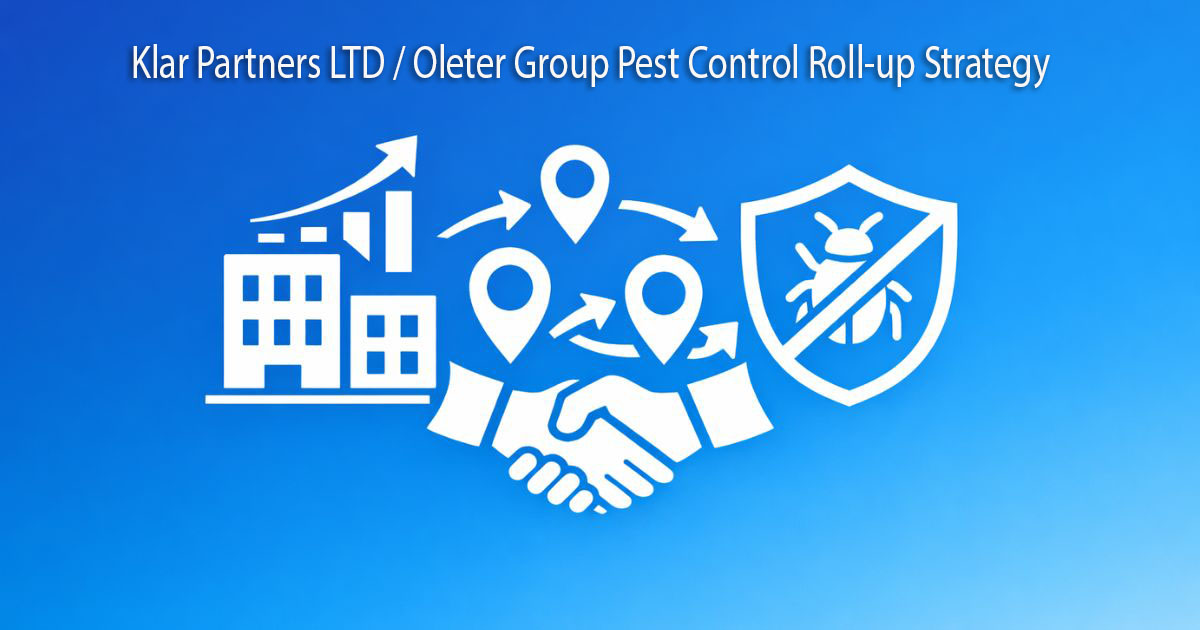
The Klar Partners Ltd / Oleter Group platform strategy focuses on building a centralized operating backbone that can absorb acquisitions, standardize execution, and scale performance so growth comes from repeatable integration, consistent service quality, and stronger unit economics. This overview covers what the platform strategy is, why it matters in consolidation models, how it works from acquire → integrate → scale, the key risks that can derail it (integration overload, frontline churn, systems migration issues), and the KPIs that best signal progress—especially retention, cost per job, productivity, complaint/re-service rates, and time-to-integrate.
If you want a quick break between sections, Monkey Mart is a brand game site you can jump into for a few minutes anytime.
What Is the Klar Partners Ltd / Oleter Group Platform Strategy?

The Klar Partners Ltd / Oleter Group platform strategy is a “build-a-platform” approach: create a centralized operating backbone that can absorb acquisitions, standardize execution, and scale performance across multiple local businesses.
Instead of treating each acquired company as a standalone unit, the platform strategy focuses on shared capabilities—systems, processes, talent, and governance—so growth comes from repeatable operations, not one-off heroics.
In practical terms, the platform typically aims to:
- consolidate back-office functions (finance, HR, procurement, compliance)
- standardize core workflows (sales intake, scheduling/routing, service delivery, QA)
- centralize data and reporting (one view of customers, costs, and performance)
- enable cross-sell and expansion (shared playbooks across regions)
Why a “Platform Strategy” Matters in Roll-Up and Consolidation Models
A roll-up can buy growth, but a platform strategy is what makes growth profitable and scalable.
It matters because it:
- reduces integration friction (each new acquisition plugs into the same operating system)
- improves margins through shared services and better utilization
- raises consistency in customer experience and service quality across markets
- creates faster learning loops (what works in one market can be replicated everywhere)
- protects performance when deal volume increases (less “integration chaos”)
Without a platform, consolidation can turn into a loose collection of businesses with mismatched systems, inconsistent pricing, and unreliable reporting.
How the Platform Strategy Works Step by Step
Step 1: Acquire (build a pipeline, buy the right targets)
- define target criteria (size, customer mix, retention, reputation, operational health)
- source deals via brokers, proprietary outreach, and referrals
- diligence beyond financials: service quality, staffing, route density, customer complaints, compliance
Step 2: Integrate (stabilize first, then standardize)
Early integration is about not breaking what works:
- retain key local leaders and frontline staff
- ensure service continuity and customer communication
- avoid disruptive changes to pricing or operations too quickly
Then standardize into the platform:
- migrate billing, CRM, scheduling/routing into shared systems
- centralize purchasing and vendor management
- implement consistent training, SOPs, and QA checks
- unify reporting so every branch is measured the same way
Step 3: Scale (use the platform to grow performance)
Once integration is repeatable, the platform enables:
- denser routes and better utilization (lower cost per job/visit)
- improved conversion from centralized lead handling and booking scripts
- higher revenue per customer through add-ons and bundled packages
- faster expansion into new markets with regional playbooks and management layers
- quicker future integrations (shorter “time to platform” per acquisition)
Risks and Red Flags: What Can Break the Platform Strategy
- Acquiring faster than the platform can absorb: integration backlog, system chaos, inconsistent execution
- Frontline churn (techs/operators): service quality dips, missed jobs, customer cancellations rise
- Data and systems migration failures: billing errors, lost customer history, broken renewals, messy reporting
- Over-standardization too early: local teams lose agility; customer trust drops if experience changes abruptly
- Pricing changes without value alignment: churn spikes if increases feel “unearned”
- Inconsistent QA and service delivery: more rework, complaints, refunds, and reputation damage
- Weak governance: unclear decision rights between central platform vs. local branches
- Overpaying for deals: valuation expands but operational gains don’t materialize → returns compress
- Compliance gaps: licensing, safety procedures, insurance, and regulatory issues become major liabilities
KPIs to Track: Signals the Platform Is Working
Customer + revenue health
- Retention / churn rate (by market, by cohort post-integration)
- Net revenue retention (if applicable) / renewal rates
- Average revenue per customer and attach rate for add-ons
Operational efficiency
- Cost per job/visit (trend post-integration)
- Stops/jobs per route per day (productivity)
- Revenue per technician/operator
- On-time rate and rework/re-service rate
Service quality
- Complaint rate per 1,000 visits
- First-time fix rate
- Review trend (rating and review volume by market)
Integration execution
- Time-to-integrate each acquisition (systems + process + reporting)
- % of locations on standard tools and SOP compliance
- Billing accuracy (error rates, disputes, refunds)
What to Watch Next: Expansion Signals, Hiring Moves, and Deal Pace
Expansion signals
- entry into new regions (especially if adjacent to existing footprint)
- repeated tuck-ins in the same market (route density strategy)
- a shift toward larger platform acquisitions vs. smaller add-ons
Hiring moves
- platform leadership hires (COO, Head of Integration, RevOps/Data lead)
- regional GMs to manage clusters of locations
- dedicated QA/training leadership to protect service consistency
Deal pace indicators
- increasing acquisition frequency without rising churn/complaints (a strong execution signal)
- more proprietary sourcing (often indicates better deal engine maturity)
- clearer post-merger integration timelines and standardized playbooks
FAQs
1. Which KPIs best show the platform is working?
Retention/churn, cost per job/visit, jobs per tech per day, re-service/complaint rate, and integration time per acquisition.
2. What makes a platform strategy successful?
Fast, repeatable integration while keeping service quality high and retaining frontline staff.
3. What are the biggest risks?
Integration overload, technician/operations churn, billing or system migration issues, and customer churn after pricing changes.
The Klar Partners Ltd / Oleter Group platform strategy is designed to turn acquisitions into scalable growth by building a centralized operating backbone standardizing systems, workflows, reporting, and shared services so each new deal integrates faster and performs more consistently. The biggest determinant of success isn’t acquisition volume, but execution: retaining frontline teams, protecting service quality, and avoiding integration overload.
Track core KPIs like retention/churn, cost per job, productivity, complaint/re-service rates, and time-to-integrate to confirm the platform is compounding value not just adding complexity.