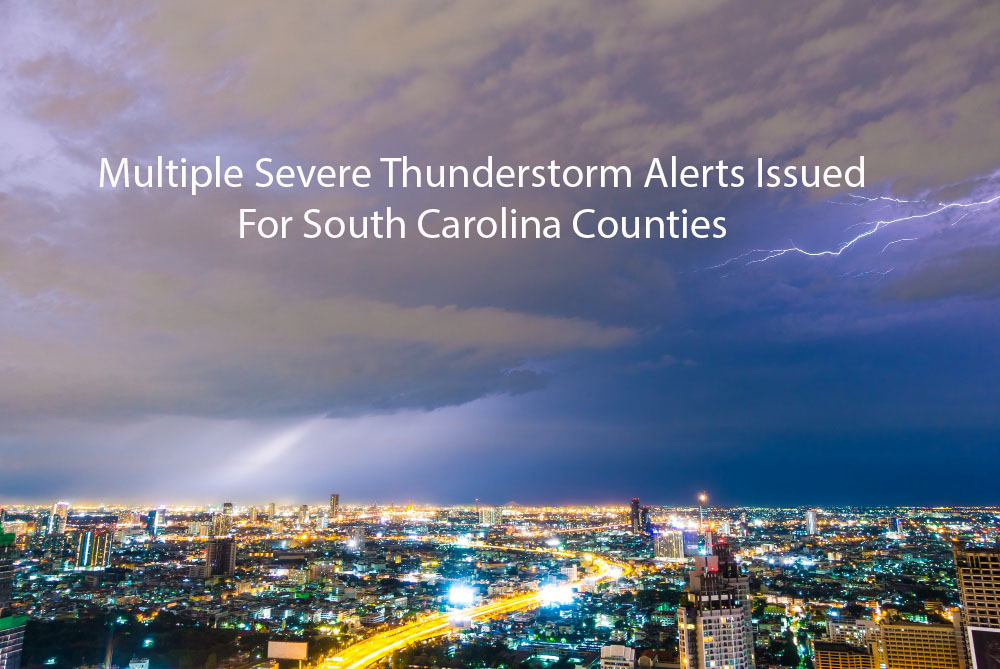
Multiple severe thunderstorm alerts issued for South Carolina counties are signaling a widespread risk of damaging winds, heavy rain, frequent lightning, and localized flooding. This guide explains what the alerts mean, which counties may be impacted, when storms are most likely to hit, and the key safety steps residents should follow as conditions change quickly. For a quick break while tracking weather updates, you can also visit Monkey Mart.
What Are the Multiple Severe Thunderstorm Alerts Issued for South Carolina Counties?
Multiple severe thunderstorm alerts issued for South Carolina counties mean that strong storms capable of producing damaging weather are expected or already developing across several parts of the state. These alerts are typically issued by the National Weather Service (NWS) when conditions support severe thunderstorms.
The storms may bring heavy rain, strong wind gusts, frequent lightning, and possible localized flooding, which can disrupt travel and outdoor activities. When multiple counties are included in an alert, it indicates that the storm system is widespread and may move across several regions.
Residents in affected South Carolina counties are advised to monitor weather updates, follow local warnings, and take safety precautions until the storm threat passes.
Which South Carolina Counties Are Under Severe Thunderstorm Alerts?
Multiple severe thunderstorm alerts issued for South Carolina counties currently affect several areas across the state as strong storm systems move through the region. Counties most commonly included in these alerts may span central, coastal, and inland parts of South Carolina depending on the storm path.
- Richland County
- Lexington County
- Greenville County
- Spartanburg County
- Charleston County
- Horry County
- York County
Residents should check local weather updates or official National Weather Service alerts to confirm whether their county is currently under a severe thunderstorm alert and to stay informed about potential weather risks.
When Will Severe Thunderstorms Hit?
- Start time: Storms can develop quickly once conditions turn favorable.
- Peak risk window: Often late afternoon to evening, but it depends on the weather system.
- Arrival by area: Impacts usually arrive in waves, moving from one area to the next.
- How long it lasts: A single severe storm may last 30–90 minutes, while a broader system can affect an area for several hours.
- When risk eases: Typically after the storm line passes and the atmosphere stabilizes (timing varies).
- How to confirm exact timing: Check official weather alerts and live radar for the latest “valid until” times and storm movement.
What Weather Conditions Are Expected During the Storm?
Heavy Rain and Poor Visibility
During severe thunderstorms, rainfall can become intense in a short period of time. This can lead to rapidly reduced visibility, making driving more dangerous especially on highways and in areas with standing water. Heavy downpours may also overwhelm drainage systems and create localized street flooding, particularly in low-lying neighborhoods, underpasses, and places with poor runoff.
Damaging Wind Gusts
One of the most common hazards with severe thunderstorms is strong, damaging wind gusts. These winds can snap tree limbs, push over weak trees, and blow debris (like trash bins, patio furniture, and signage). Wind-related impacts often include scattered power outages if lines are damaged by falling branches. Even if the storm is short-lived, wind gusts can be strongest at the leading edge of the storm or within the heaviest cells.
Frequent Lightning
Severe thunderstorms frequently produce high lightning activity, which poses a major risk to anyone outdoors. Lightning can strike well ahead of the heaviest rain, so it’s important not to wait until conditions look extreme. If you can hear thunder, you are close enough to be struck. The safest option is to move indoors to a sturdy building or a hard-topped vehicle and avoid open fields, tall isolated trees, and water until the storm passes.
Localized Flooding and Possible Hail
In addition to heavy rain, some storm cells may trigger brief flash flooding, especially where storms repeatedly pass over the same area. Small creeks, ditches, and urban roads can flood quickly. Depending on the storm’s strength and structure, there may also be a risk of hail, which can damage vehicles, roofs, and outdoor equipment. Hail is often isolated, but it can occur suddenly, so staying alert to warning updates is important.
Why Were Multiple Severe Thunderstorm Alerts Issued for South Carolina Counties?
Multiple severe thunderstorm alerts were issued because the atmosphere over parts of South Carolina became highly favorable for strong to severe storms. When warm, humid air near the surface combines with lifting mechanisms (like an approaching front) and enough wind energy aloft, thunderstorms can quickly intensify and meet “severe” criteria prompting alerts across multiple counties along the storm’s projected path.
- Warm, humid air mass feeding storm development (high instability)
- Approaching cold front / boundary providing lift to trigger storms
- Strong wind shear helping storms organize and produce damaging gusts
- Fast-moving storm line or clusters affecting many counties in a short time
- High moisture levels increasing heavy rain rates and localized flooding risk
- Radar/observations showing strengthening cells leading to expanded alert coverage
Because storm systems can expand or shift track quickly, alerts may be issued for several counties at once to cover areas most likely to be impacted next. As radar updates and storm motion become clearer, meteorologists adjust warnings to reflect where the greatest risk of damaging winds, lightning, heavy rain, or hail is expected.
FAQs
1. What’s the difference between a Severe Thunderstorm Watch and Warning?
A Watch means conditions are favorable; a Warning means severe storms are occurring or imminent take action.
2. Which South Carolina counties are under alerts right now?
The list changes fast check the latest NWS alerts or your local weather app for the current county-by-county coverage.
3. How long do severe thunderstorm alerts usually last?
Most warnings last 30–60 minutes, but alerts can be extended or re-issued as storms move.
4. What should I do during a severe thunderstorm warning?
Go indoors, stay away from windows, avoid driving through water, and monitor official updates.
Multiple severe thunderstorm alerts issued for South Carolina counties signal a widespread threat of damaging winds, heavy rain, frequent lightning, and localized flooding. Because the affected counties and storm timing can shift quickly, residents should monitor the latest National Weather Service (NWS) updates, watch live radar, and follow local warnings. Taking early precautions staying indoors during warnings, securing loose outdoor items, and avoiding flooded roads can help reduce risk until the severe weather moves out of the area.