Sustainable packaging is no longer a niche preference it’s becoming the default expectation. That’s why Pappedeckel is gaining traction as one of the most talked-about terms in eco-friendly packaging and modern product design. What started as a simple idea literally a paper-based lid or cover has evolved into a symbol of plastic-free thinking, renewable materials, and packaging that looks good while doing less harm.
At Monkey Mart, this guide breaks down what Pappedeckel is, why it’s receiving international recognition, how it works, where it’s used, what it’s made from, and what challenges and innovations are shaping its future.
What Is Pappedeckel?
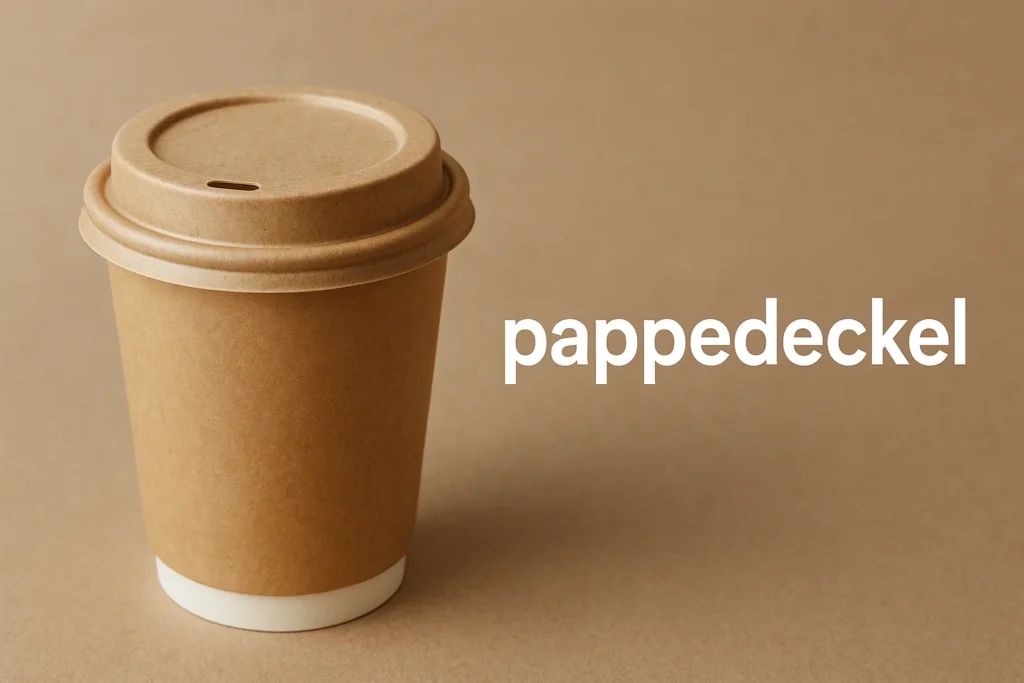
At its simplest, Pappedeckel refers to a paper-based lid or cover, typically made from cardboard, paperboard, or recycled fiber materials. In German-speaking contexts, the term can also refer to a cardboard coaster or a paper lid something you might see under a beer glass or on top of a takeaway cup.
Traditionally, a pappedeckel was a basic protective cover. Today, it’s often engineered as part of a complete packaging system, designed to compete with plastic or metal lids while keeping sustainability front and center.
Modern Pappedeckel solutions are commonly:
- Engineered for durability
- Designed for accurate fit and sealing
- Optimized for sustainability goals
- Compatible with high-quality printing and branding
- Built to deliver function without relying on fossil-fuel plastics
The Modern Meaning of Pappedeckel
The meaning of Pappedeckel has expanded far beyond “paper lid.” Today, it represents a bigger message:
- Innovation in sustainable packaging
- A “no plastic” design philosophy
- Renewable material usage at scale
- Paper engineering as functional design
- Responsible branding that signals environmental care
When brands choose pappedeckel, they aren’t only choosing a material they’re choosing a statement about environmental responsibility, customer trust, and future-focused packaging strategy.
Why Pappedeckel Is Gaining International Recognition
The rise of Pappedeckel is tied to several global shifts in consumer behavior and business standards.
1) Environmental awareness
Consumers actively look for packaging that reduces plastic waste. Pappedeckel offers an alternative that’s visible, familiar, and easy to understand.
2) Sustainability regulations
In many places, single-use plastic is being reduced through policy pressure or direct restrictions. That environment makes Pappedeckel a practical substitute for plastic lids.
3) Brand differentiation
Packaging is part of the brand story. A Pappedeckel can strengthen eco-positioning and make a product feel more responsible, premium, and modern.
4) Innovation in paper engineering
New engineering methods make Pappedeckel capable of doing jobs once dominated by plastic or metal especially when fit, coatings, and structure are designed intelligently.
Together, these forces make Pappedeckel a strategic packaging choice, not just a trend word.
How Pappedeckel Works
To understand why Pappedeckel is spreading across industries, it helps to look at how it’s built and what it’s designed to do.
Material composition
A Pappedeckel is typically made using:
- Virgin paperboard
- Recycled cardboard
- Fiber-based composite or multilayer structures
- Coated paper materials designed for specific performance needs
The exact material choice depends on the product requirements like moisture resistance, rigidity, insulation, or portability.
Structural design
Unlike flat paper, Pappedeckel is engineered through structural shaping, such as:
- Folding
- Molding
- Scoring
- Reinforcing edges or locking points
This structural design improves stacking, removal, sealing, and stability in real-life use.
Functional performance
A well-designed Pappedeckel can:
- Protect contents
- Maintain freshness
- Prevent spills
- Improve portability
- Enhance product presentation
That’s the key: Pappedeckel can match plastic-like function, but it must be designed for the job—not treated like “just paper.”
How Pappedeckel Is Made
The manufacturing process behind Pappedeckel is built around precision and practicality.
- Cardboard selection: Production starts with high-quality, lightweight but sturdy cardboard or paperboard.
- Cutting and shaping: Sheets are cut into exact shapes, then pressed or formed into lids using machinery. Fit accuracy matters.
- Moisture and grease treatment: Many Pappedeckel designs are treated to handle moisture, steam, or oils especially for food and drink use.
- Printing and branding: Logos and designs can be added before packing, turning Pappedeckel into a branding surface.
- Stacking and packing: Finished lids are stacked, packed, and distributed for cafes, events, retail packaging, and shipping operations.
- The goal is consistent: a simple product that works reliably while reducing plastic reliance.
Common Uses of Pappedeckel
Because pappedeckel combines sustainability with practical design, it appears across multiple industries.
Food and beverage
This is one of the most common spaces for pappedeckel, especially where eco-friendly messaging matters:
- Coffee cup lids
- Takeaway food covers
- Soup and bowl lids
- Bakery packaging
Cafes and carryouts often adopt pappedeckel to align packaging with their sustainability identity.
Retail and consumer products
In retail, pappedeckel supports both aesthetics and eco branding:
- Cosmetic jars
- Personal care containers
- Specialty food packaging
- Gift box closures
Here, pappedeckel adds a clean, minimal look while reducing plastic use.
E-commerce and shipping
Lightweight paper solutions can reduce shipping weight and packaging waste:
- Box covers
- Protective inserts
- Product separators
- Branded closures
A shipping-friendly pappedeckel approach supports both sustainability and logistics efficiency.
Health and wellness products
Wellness brands often prefer renewable and nature-aligned packaging:
- Supplement containers
- Natural product packaging
- Organic product lines
A pappedeckel fits naturally with “clean” brand positioning and eco-conscious buyers.
Sustainability Benefits of Pappedeckel
Sustainability is the strongest argument for pappedeckel, and it comes from multiple angles.
Renewable materials
A pappedeckel is generally made from renewable fibers rather than petroleum-based plastics.
Recyclability
Many pappedeckel designs can be recycled through standard paper recycling streams, making disposal simpler for consumers.
Lower carbon impact
Paper-based production often has a lower footprint than plastic manufacturing, especially when renewable or recycled fibers are used.
Reduced plastic waste
Every replacement of a plastic lid with pappedeckel reduces the volume of single-use plastic entering landfills and waterways.
Biodegradability
Most paper-based pappedeckel materials can break down naturally over time and don’t leave long-lasting microplastic residue.
These advantages also support circular economy goals: materials get reused through recycling instead of becoming permanent waste.
Pappedeckel Design and Innovation
Modern pappedeckel is where creativity meets engineering.
Advanced fit mechanisms
Designers use folds, locking edges, and reinforced rims so a pappedeckel stays firmly in place during transport and handling.
Moisture-resistant coatings
Special coatings can protect paper fibers against moisture and grease. The goal is performance without destroying recyclability.
High-quality printing and branding
A pappedeckel can function as a mini billboard:
- Logos
- Brand messages
- Instructions
- Visual storytelling
- Texture and tactile appeal
Embossing, matte finishes, and natural fiber textures can improve the customer experience and make packaging feel premium.
Custom shapes
Because paperboard can be engineered creatively, pappedeckel can adapt to non-standard containers and unique packaging designs.
These innovations prove a key point: pappedeckel isn’t only sustainable—it can also be premium, functional, and brand-forward.
Pappedeckel vs Traditional Lids
Compared to plastic or metal lids, pappedeckel often offers:
- Stronger eco perception for customers
- Better branding opportunities (printing and texture)
- Easier recycling pathways (in many designs)
- Reduced dependence on fossil fuels
Traditional lids may be moisture-resistant by default, but pappedeckel is closing that gap through coatings and smarter structural design.
Challenges of Using Pappedeckel
Even with major benefits, Pappedeckel comes with real-world challenges.
Moisture sensitivity
Paper is naturally sensitive to wet conditions, so liquid or high-steam applications require the right coatings or liners.
Strength limitations
Heavier products may require reinforced pappedeckel designs to maintain rigidity and sealing.
Cost considerations
High-end pappedeckel solutions can cost more than basic plastic lids—especially when custom shapes, premium printing, or advanced coatings are involved.
Design complexity
Personalized pappedeckel formats require engineering, testing, and manufacturing precision—this isn’t always plug-and-play.
The good news is that innovation and scale continue to reduce these barriers as adoption grows.
Consumer Feedback: Why People Like Pappedeckel
Consumer response to Pappedeckel tends to focus on three areas:
- Reliability: People appreciate sturdy lids that keep food and drinks fresher and reduce leaks during transport.
- Sustainability: Eco-conscious users like renewable, recyclable packaging that reduces plastic waste.
- Aesthetics: Many buyers enjoy the simple, clean look and the premium feel of paper textures compared to glossy plastic.
Because pappedeckel blends function with environmental responsibility, it often becomes a “small detail” that improves the overall customer experience.
Future Trends: What’s Next for Pappedeckel
The future for pappedeckel looks strong due to:
- Rising plastic bans and restrictions
- Consumer demand for sustainable packaging
- Continuous improvement in paper engineering
- Corporate sustainability targets
- Growing need for eco-branding
Manufacturers are also exploring durability upgrades that stay eco-friendly, such as:
- Natural coatings like beeswax
- Plant-based materials like PLA
- Layered paper technology that improves strength and moisture handling
Another likely direction is global standardization. As pappedeckel expands worldwide, consistent sizing, coating rules, and disposal guidance will become more important for scaling responsibly.
FAQ: Pappedeckel
What is pappedeckel?
Pappedeckel is a paper-based lid or cover—often made from cardboard or paperboard—used as an alternative to plastic or metal lids in modern packaging.
What does pappedeckel mean?
The direct meaning is “paper lid,” but today pappedeckel commonly refers to innovative, eco-friendly packaging solutions designed for functionality and sustainability.
Is pappedeckel eco-friendly?
Yes. pappedeckel is typically renewable, recyclable, and biodegradable, making it a more environmentally friendly option than many plastic lids.
Where is pappedeckel commonly used?
You’ll see pappedeckel across food and beverage packaging, cosmetics, retail products, e-commerce shipping, and health and wellness brands.
Is pappedeckel a real alternative to plastic lids?
In many cases, yes. With proper engineering and fit, pappedeckel can compete with plastic lids in function while improving sustainability.
Does pappedeckel work with liquids?
Yes, when designed with moisture-resistant coatings or liners that maintain performance without sacrificing eco goals.
Why are brands switching to pappedeckel?
Brands adopt pappedeckel to reduce plastic waste, improve eco-brand perception, align with regulations, and meet rising consumer expectations for sustainable packaging.
Conclusion: Why Pappedeckel Is the Future of Packaging
A pappedeckel may look like a small piece of cardboard, but it represents a major shift in how products are packaged and perceived. By combining renewable materials, functional engineering, design flexibility, and responsible branding, pappedeckel is becoming a serious alternative to conventional plastic lids across industries.
For companies aiming to reduce plastic use, strengthen eco-branding, and keep up with modern consumer expectations, pappedeckel isn’t just a trend—it’s a forward-looking packaging standard.